AI in hiring should speed up decisions, not make them
The debate about AI in recruitment is stuck between enthusiasm and fear. The useful middle ground is narrower, and it works.
By Anon Technologies
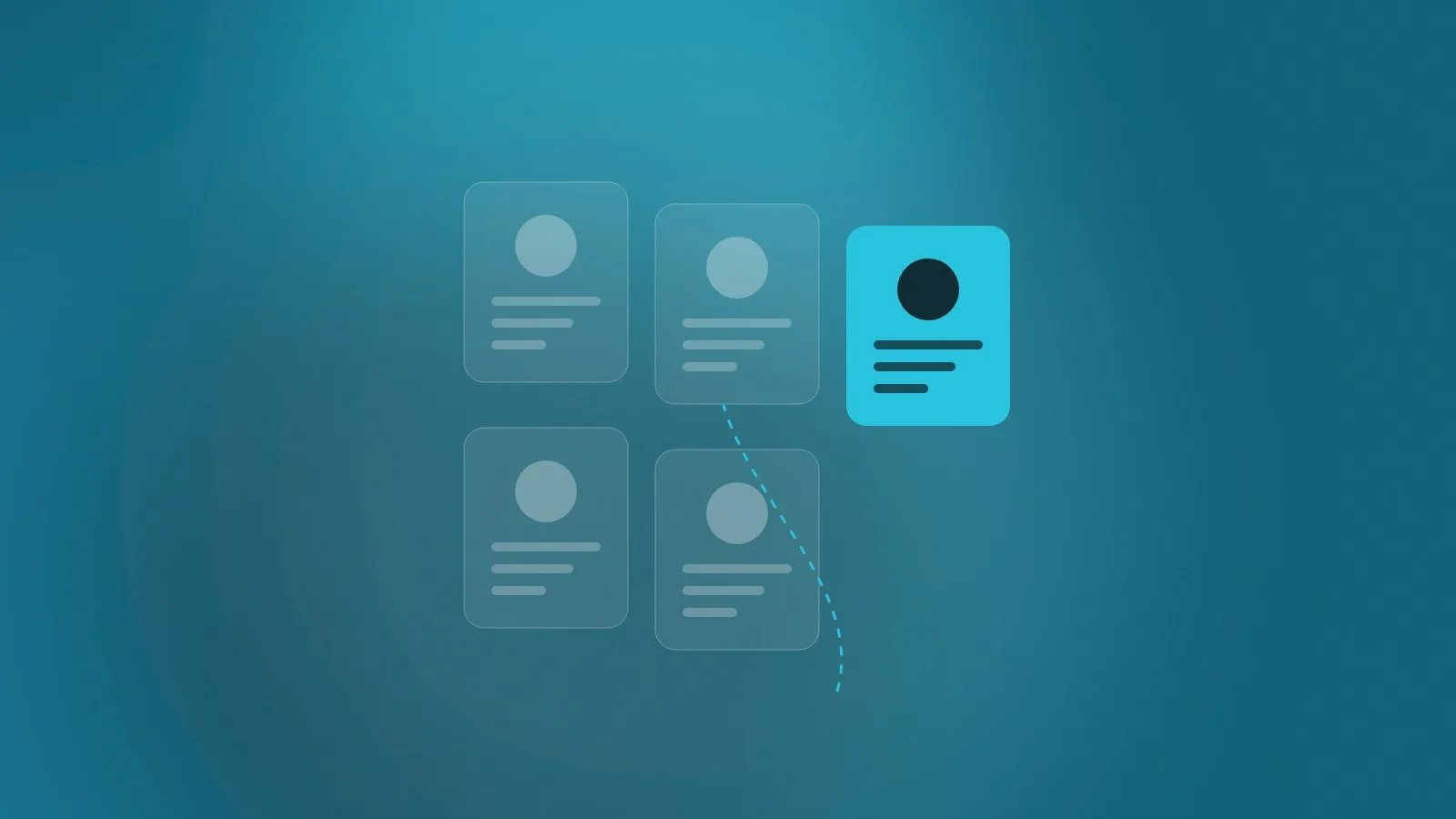
The conversation about AI in recruitment tends to swing between two extremes. On one side, the promise of fully automated hiring: AI screens, ranks and selects. On the other, justified concern about bias, fairness and candidates being judged by a machine. Both sides miss where AI is genuinely useful today.
AI in hiring works best when it speeds up the process around decisions, and leaves the decisions to people.
Where does time go in a hiring process?
Most of it goes into the early rounds. Every candidate has to be contacted, scheduled, interviewed and assessed, and much of that effort goes into candidates who will not move forward. Recruiters spend their days coordinating calendars and running similar first conversations again and again. Candidates wait between rounds. Good candidates are lost to faster employers.
None of that work is where a recruiter's judgement adds the most value.
What should AI take over?
Structure. Every candidate answers the same role-specific questions, which makes assessments consistent and comparable, often more so than unstructured first calls.
Availability. Candidates complete a first interview when it suits them, without days of scheduling back and forth.
Preparation. Recruiters receive a clear summary of each candidate's answers, ready for a decision, instead of notes from dozens of calls.
What should stay with people?
The decisions. Who moves forward, who gets an offer and how a candidate's experience is weighed against the needs of the team. Those calls depend on context, judgement and accountability that belong with recruiters and hiring managers. A well-designed system makes those decisions faster and better informed. It does not make them on its own.
That line is also what makes AI in hiring defensible. Candidates and regulators reasonably expect that a person, not a model, decides on employment. A design that keeps that true is easier to explain, easier to audit and easier to trust.
What does it look like in practice?
We built an AI interviewer that runs structured first-round interviews and gives recruiters a consistent summary for every candidate. Recruiters and hiring managers decide who moves forward. The total time of the human interview and selection process dropped by 30%.
The gain did not come from replacing anyone. It came from removing the repetitive part of the process so that people could spend their time on the candidates worth meeting.
How do you keep AI in hiring fair?
Fairness does not come from good intentions. It comes from design and from checking.
Use the same structure for everyone. Consistent, role-relevant questions for every candidate reduce the variation that unstructured conversations introduce.
Keep the summary factual. The system should present what the candidate said, clearly and completely, rather than producing opaque scores that hiring managers cannot interpret or challenge.
Check outcomes regularly. Look at who progresses through the process and whether any group is consistently disadvantaged. If a pattern appears, investigate and fix it.
Be transparent with candidates. Tell them when they are speaking with an AI interviewer, what it is used for and that people make the decisions. Most candidates appreciate the flexibility. All of them deserve to know.
Regulation in Europe treats AI used in employment decisions as high risk, with obligations around transparency, human oversight and documentation. A design that keeps people in charge of decisions, and documents how the system is used, is far better placed to meet those obligations.
What changes for recruiters?
Their days shift from scheduling and repeating first conversations to the work that needs their judgement: understanding the role, assessing the strongest candidates in depth and building a good experience for the people they want to hire. That is a better use of their skills, and usually a more satisfying job.
The bottom line
The most useful role for AI in hiring is not to choose candidates. It is to give people back the time and the structure to choose well, and to give candidates a faster, more consistent experience. Keep the decision human, automate what surrounds it, and both sides of the hiring process benefit.
Keep reading
All articles →
Your PoC worked. That's the problem.
A successful proof of concept creates the illusion that the hard part is done. In enterprise AI, it is usually the opposite.
Regulated industries should be first to adopt AI agents, not last
Banks, insurers and healthcare are told to wait. We think the opposite is true: the discipline they already have is exactly what agents need.

Stop asking if your data is ready for AI. Ask if it's ready for this use case.
Enterprise-wide data readiness programmes take years. The question that matters can be answered in two weeks.